Seasonal Biscuit Guide: What to Bake and Buy in Autumn
Autumn is the season when the biscuit tin earns its keep. The light, vanilla-forward biscuits that carried you through summer suddenly feel thin, and what you want instead is something darker: brown butter, molasses, orchard fruit, a spice that lingers after the tea has gone cold. The encouraging part is that this shift is mostly technique. Fruits and syrups that would wreck a delicate summer dough are exactly what makes an October biscuit worth baking twice.
What Changes When the Weather Turns
Three things happen in the bowl once the temperature drops, and knowing them saves a lot of guesswork.
Fat and sugar get darker. Brown butter, dark brown sugar and molasses move to the front of the shelf. Browning butter drives off water, so a dough made with it firms up faster and bakes to a crisper snap. Molasses does the opposite: it pulls moisture from the air, which is why ginger snaps soften within a day or two in a humid kitchen. Both are useful. Just decide which texture you actually want before you cream the butter.
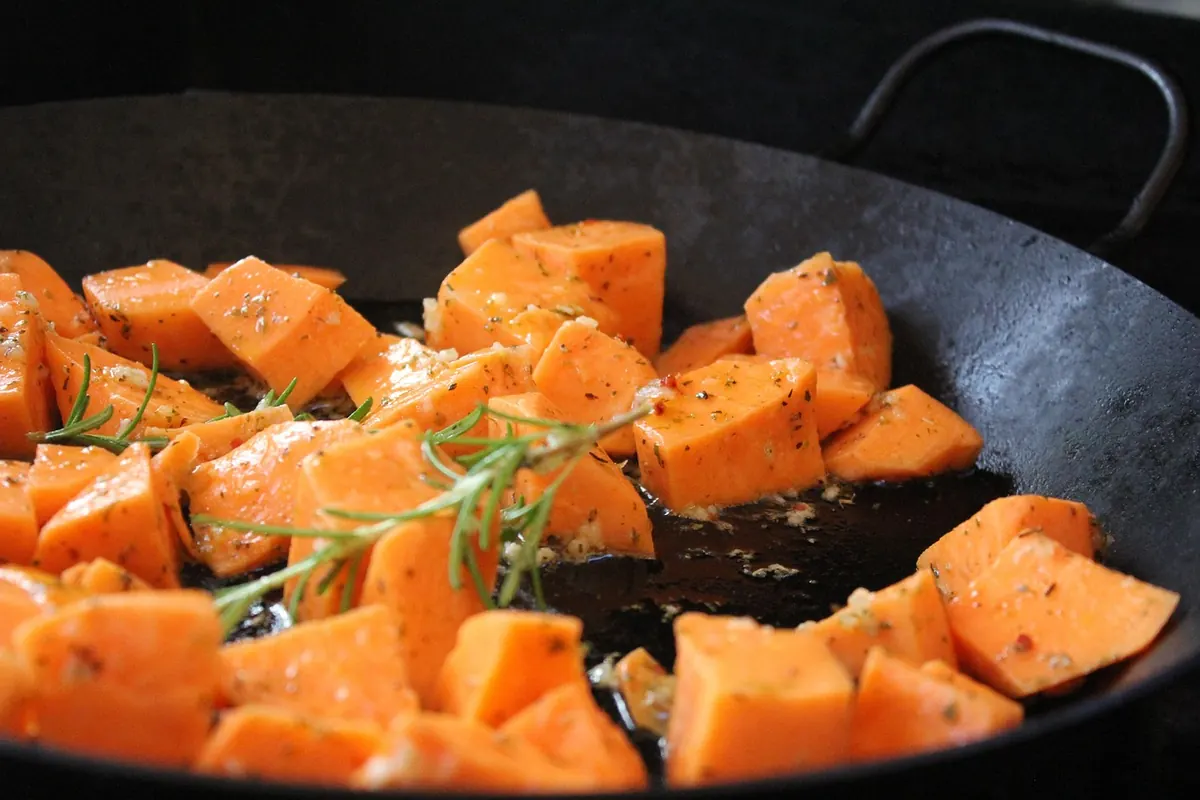
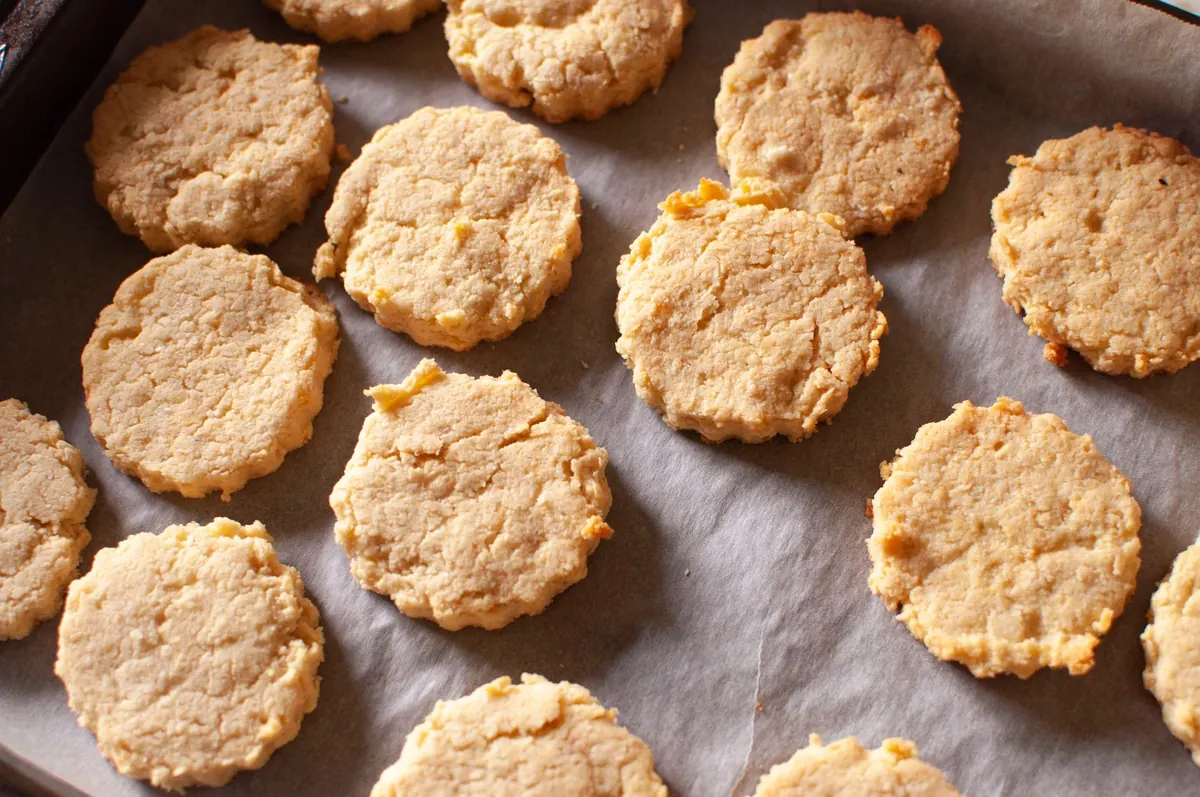
The moisture maths changes. Grated apple, pumpkin purée and syrups all add water. A dough that looks perfect in the bowl can spread into lace on the tray. Fixes that work: blot tinned pumpkin purée on paper towel until it looks like thick paste rather than wet purée; squeeze grated apple in a clean cloth and keep the juice for a glaze; chill the shaped dough for half an hour before baking; and bake one test biscuit first. One biscuit costs you four minutes and tells you whether the rest of the batch needs another spoonful of flour.
Colour stops being a reliable timer. A molasses or dark brown sugar dough looks done long before it is, and pale ginger doughs look underdone when they are ready. Judge by the edges — set and slightly darker — and by the centre, which should look a shade underdone. Buy ground spices once a year; a jar that has sat open since last autumn tastes of dust, and no amount of it will fix a bland dough.
The Four Flavours That Define the Season
Apple
Apple belongs in biscuits as concentrated flavour rather than fresh fruit. Diced dried apple soaked briefly in cider, apple butter spooned into a thumbprint, or a spoonful of cider reduction swirled through the dough all deliver more than chunks of raw apple, which steam and leave hollow pockets. Pair it with oats, brown butter, toasted pecans or a little sharp cheddar in a savoury drop biscuit.
Cinnamon
Cinnamon is the backbone spice, and it works best with a partner: a pinch of salt, a grating of nutmeg, a spoonful of espresso powder, or a hit of orange zest. Toast nothing here — ground cinnamon burns quickly in a hot oven — but do whisk it into the flour rather than adding it at the end, so it distributes evenly. Cassia is the bold, familiar supermarket cinnamon; Ceylon is milder and more floral. Either is fine for baking, but the same teaspoon will not taste the same in both.
Pumpkin
Pumpkin's job is texture as much as flavour: it keeps a biscuit soft for days and gives it a faintly savoury edge. Blend it with cinnamon, ginger, nutmeg, cloves and allspice — the mix most of us call pumpkin spice — and add white chocolate, pepitas or a dark chocolate drizzle. For a savoury version, fold pumpkin and sage into a buttermilk drop biscuit and serve it alongside soup. Watch the liquid: purée varies wildly between brands, so hold back a tablespoon and add it only if the dough needs it.
Ginger
Ginger gives you four distinct tools. Ground ginger brings steady background heat. Fresh ginger, grated finely, brings a sharp bite that fades in the oven, so use more than feels sensible. Crystallised ginger adds chewy pockets. Stem ginger in syrup, chopped small, keeps a biscuit moist and gives you a syrup to brush over the tops while they are still warm. Dark chocolate, pear, orange and black pepper all flatter it.
Bake or Buy: A Quick Decision Guide
- Bake if you want a specific texture — a chewy centre, a crackled top, a thumbprint of real apple butter — or if you are cooking for someone who dislikes a spice you can simply leave out.
- Bake if you are feeding a crowd on a budget. Butter, flour, sugar and spice go a long way, and dough freezes well in logs.
- Buy if you want a reliable crisp snap. Professional bakeries control humidity in a way home kitchens rarely can.
- Buy if the flavour you crave depends on something awkward to source, such as good stem ginger or a particular spiced speculoos.
- Do both if you are putting together a tin for a gift: one home-baked soft biscuit, one bought crisp one, and a note on what each is.
Five Combinations Worth Baking This Month
- Apple butter thumbprints. Make a soft brown sugar dough, roll into balls, press a deep well with your thumb, chill, bake at around 180°C (350°F) for 10–12 minutes, then fill the wells with apple butter once cool.
- Brown butter snickerdoodles. Brown the butter, cool it until solid again, then proceed as normal and roll each ball generously in cinnamon sugar. The nutty edge is worth the extra step.
- Pumpkin and pepita drop biscuits. Blot the purée, stir in toasted pepitas, drop by the spoonful and bake until the tops spring back. No chilling, no rolling.
- Stem ginger and dark chocolate shortbread. Add chopped stem ginger to a plain shortbread, shape into a log, chill firm, slice thick and press a square of dark chocolate into each round before baking.
- Molasses ginger snaps. Deep brown sugar, black treacle or molasses, ground ginger and a crack of black pepper. They will crisp as they cool and soften by the next day, which is exactly what you want with a strong cup of tea.
Reading a Shop-Bought Label
Ingredients are listed by weight, so the first three entries tell you most of what you need to know. Butter high on the list suggests a short, clean flavour; palm or vegetable oil early on usually means a harder snap and a flatter taste. "Flavouring" without a named source is a warning if you are buying for the spice itself. Check the best-before date and squeeze the packet gently: a biscuit that has gone soft in the bag rarely recovers. Where a biscuit has been shipped or stored badly, the aroma is the giveaway — cinnamon and ginger should smell sweet and warm, not dusty.
Storing Them So the Work Is Not Wasted
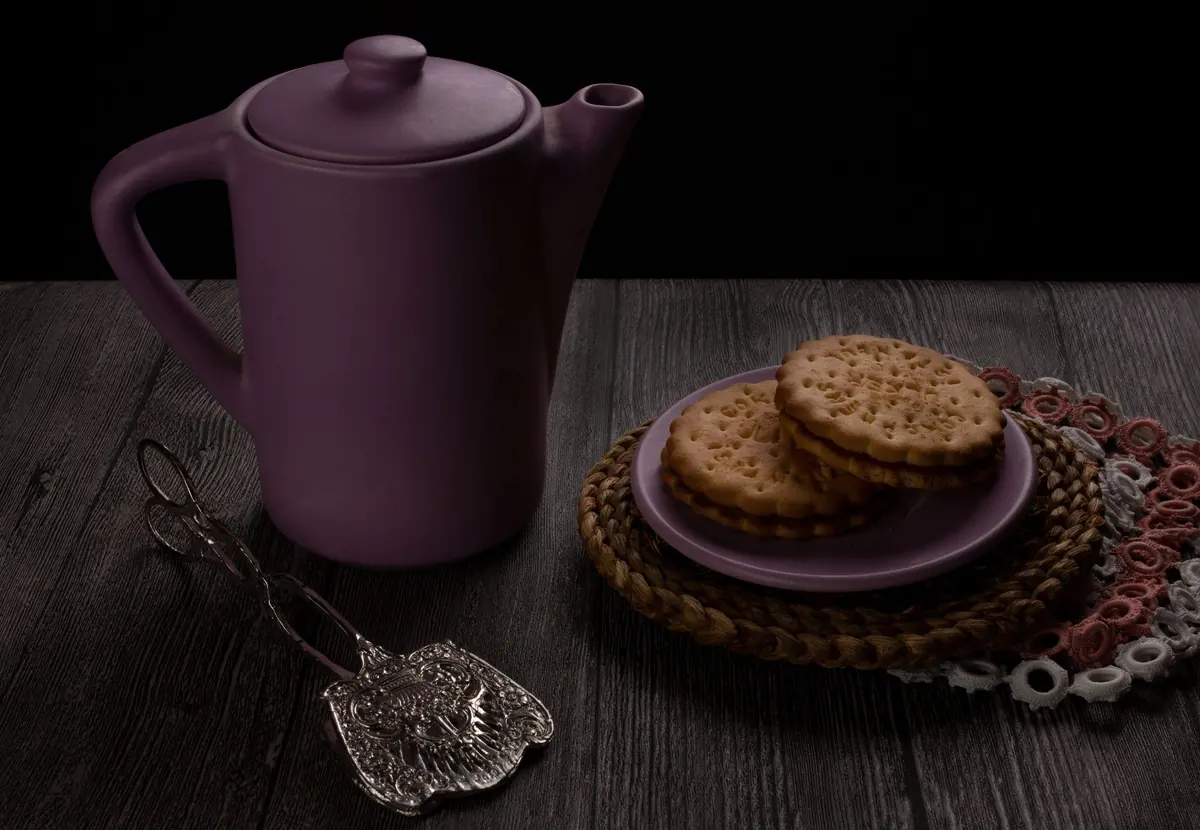
Crisp and soft biscuits must never share a tin, because the soft ones will win. Keep crisp biscuits in an airtight tin with a small square of baking parchment between layers, and revive a softened batch in a low oven for a few minutes, then cool completely before sealing. Soft biscuits — anything with molasses, pumpkin or apple — like a slice of bread in the tin, replaced every couple of days. Baked and cooled biscuits freeze well for up to a month; unbaked dough logs keep for three months if wrapped tightly. Humidity is the enemy in both cases, so skip the tin on the windowsill above the kettle.
Start With One Tin
You do not need to bake all four flavours in a single weekend. Pick one, bake a small batch, and write down what you changed while it is still in your mouth: how much liquid you held back, how long the dough chilled, how the texture held up two days later. Two or three rounds of that and you will have a house biscuit for autumn that no shop can match — plus a standing excuse to keep the oven on while the evenings draw in.
Photo: Ylanite Koppens / Pexels

Beginner's Checklist for Buying Biscuits Online: Shipping, Freshness, and Packaging
A practical checklist for judging online biscuit sellers on shipping speed, freshness and packaging, plus...
Biscuit Baking Temperature Guide: Convection vs. Conventional Ovens
A practical guide to baking biscuits in convection and conventional ovens, covering temperature tweaks,...
About Us